Idioma

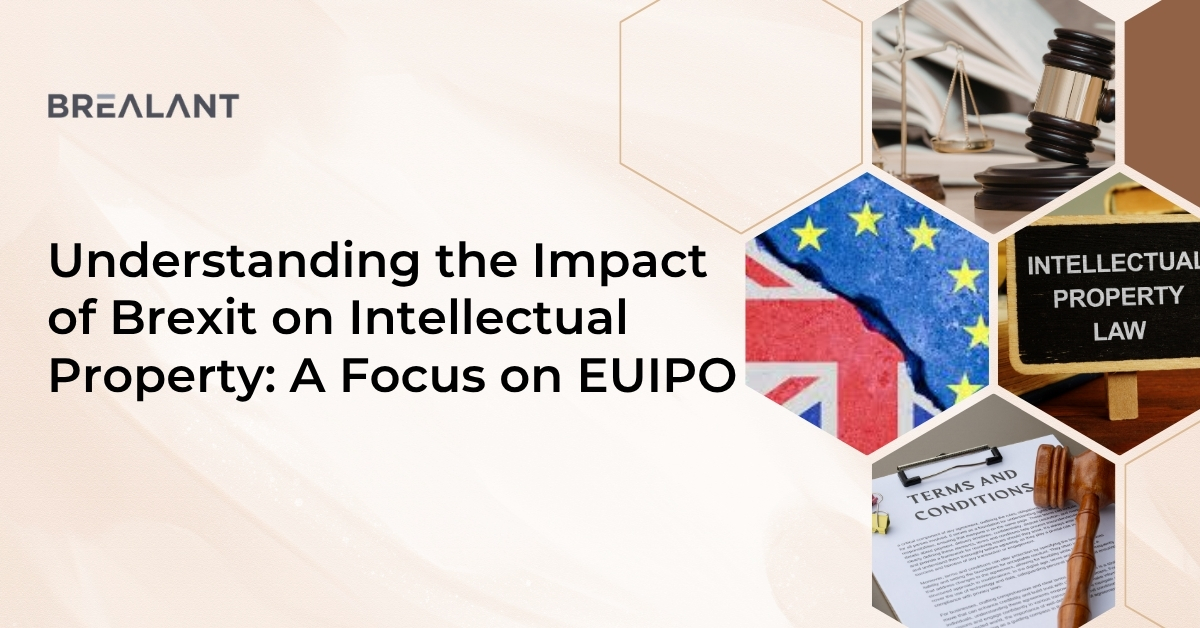
La conclusión del período de transición del Brexit el 1 de febrero de 2020 marcó un importante punto de inflexión en la relación entre el Reino Unido (RU) y la Unión Europea (UE). La salida del Reino Unido de la Unión Europea, comúnmente conocida como Brexit, ha iniciado una nueva era de cambios en varios sectores. Un aspecto importante que se ha visto afectado es la propiedad intelectual (PI). Mientras las empresas y los individuos navegan por las complejidades de esta separación, el papel de la Oficina de Propiedad Intelectual de la Unión Europea (EUIPO) en la gestión y protección de los derechos de propiedad intelectual ha sido objeto de escrutinio. En este blog, profundizaremos en el impacto del Brexit en la propiedad intelectual, centrándonos en el papel cambiante de la EUIPO en este panorama cambiante.
Una de las implicaciones clave del Brexit para la propiedad intelectual radica en la protección de las marcas. Antes del Brexit, las empresas podían registrar una Marca de la Unión Europea (EUTM) a través de la EUIPO, protegiendo a todos los estados miembros de la UE, incluido el Reino Unido. Después del Brexit, esta protección unificada ya no se extendió al Reino Unido.
Para abordar esto, el Reino Unido ha establecido su registro de marca sistema. La EUIPO, sin embargo, sigue desempeñando un papel para quienes buscan protección dentro de los restantes estados miembros de la UE. Es posible que las empresas que operan en el Reino Unido y la UE deban navegar por dos sistemas separados para el registro de marcas, lo que genera consideraciones y cargas administrativas adicionales.
El acuerdo de retirada del Reino Unido incluyó un período de transición durante el cual las leyes existentes de la UE continuaron aplicándose en el Reino Unido; este período tenía como objetivo brindar a las empresas y a los individuos tiempo para adaptarse a los cambios. Las MUE existentes se clonaron automáticamente en marcas equivalentes del Reino Unido, preservando los derechos de los propietarios de las marcas en el Reino Unido.
La EUIPO, en colaboración con las autoridades del Reino Unido, facilitó una transición fluida de los derechos existentes. Sin embargo, las empresas deben comprender de manera proactiva los cambios y tomar las medidas necesarias para mantener y hacer cumplir sus derechos de propiedad intelectual.
Los abogados y representantes de marcas con sede en el Reino Unido se enfrentaron a cambios en sus funciones en relación con la EUIPO. Después del Brexit, ya no tienen automáticamente derecho a representar a sus clientes ante la EUIPO. Para seguir ejerciendo ante la EUIPO, los representantes del Reino Unido debían nombrar un representante legal dentro de la UE.
Este cambio tiene implicaciones prácticas para las empresas con procedimientos en curso o futuros ante la EUIPO. Enfatiza la necesidad de planificación estratégica y compromiso con representantes que cumplan con los nuevos requisitos.
Las indicaciones geográficas (IG) y las denominaciones de origen son elementos cruciales de la propiedad intelectual, particularmente en el contexto de los productos agrícolas y alimentarios. Antes del Brexit, la EUIPO desempeñaba un papel central en la protección de las IG en toda la UE. Después del Brexit, el Reino Unido estableció sus propios esquemas de IG.
Esta separación requiere que los productores naveguen por dos sistemas distintos para proteger las indicaciones geográficas de sus productos. La transición tiene implicaciones para las empresas en cuanto a cumplimiento, etiquetado y estrategias de marketing.
El impacto del Brexit en la propiedad intelectual es una combinación de desafíos y oportunidades. Si bien la fragmentación de la protección de las marcas puede plantear obstáculos administrativos para las empresas que operan en el Reino Unido y la UE, también abre las puertas a estrategias más personalizadas.
La capacidad del Reino Unido para negociar y celebrar acuerdos comerciales de forma independiente ofrece la posibilidad de acuerdos personalizados relacionados con la propiedad intelectual. Esta nueva flexibilidad puede resultar ventajosa para las empresas que buscan proteger sus innovaciones y marcas de una manera que se ajuste a sus necesidades.
A pesar de los cambios provocados por el Brexit, la EUIPO desempeña un papel crucial en cuestiones de propiedad intelectual dentro de la UE. La EUIPO sigue siendo la entidad de referencia para el registro y la protección de marcas para empresas centradas principalmente en los mercados de la UE.
El compromiso de la EUIPO de proporcionar un proceso ágil y eficiente para los asuntos de propiedad intelectual subraya su importancia constante en el cambiante panorama europeo. A medida que las empresas se adaptan a los cambios, la EUIPO sigue siendo un socio fiable a la hora de afrontar las complejidades de la protección de la propiedad intelectual.
Sin duda, el Brexit ha remodelado el panorama de la propiedad intelectual, lo que exige que las empresas reevalúen sus estrategias para proteger las marcas, las indicaciones geográficas y otros activos de propiedad intelectual. La EUIPO, como actor central en la propiedad intelectual europea, se ha adaptado a estos cambios y continúa proporcionando un marco sólido para el registro y la protección de marcas dentro de la UE.
A medida que las empresas se adaptan a la realidad posterior al Brexit, es fundamental mantenerse informado sobre la evolución del panorama de la propiedad intelectual y buscar asesoramiento profesional. Navegar por las complejidades de los sistemas duales de protección de marcas y comprender las implicaciones de las indicaciones geográficas son consideraciones clave para las empresas con intereses en el Reino Unido y la UE. El compromiso continuo de la EUIPO de facilitar procesos de propiedad intelectual eficientes y eficaces refuerza su importancia para apoyar a las empresas durante este período de transición.
En esta dinámica era post-Brexit, mantenerse informado sobre los últimos avances en las regulaciones de propiedad intelectual y buscar asesoramiento profesional es primordial tanto para las empresas como para los individuos. Para lograr el crecimiento internacional, es imperativo gestionar la propiedad intelectual de manera efectiva y proactiva. La metodología de Brealant es indispensable para sortear las complejidades y aprovechar las oportunidades.
%2520(1).jpeg)
.avif)


.svg)
.svg)
.svg)

.svg)
.svg)
Recibe asesoramiento experto sobre el registro de tu marca, patente, derechos de autor o diseño. Reserva una llamada gratuita de 15 minutos con un especialista en propiedad intelectual, sin compromiso.
Reservar mi llamada gratuita