

Industrial Design Examination in Chile
Passing INAPI's Substantive Review
Every Chilean design application undergoes a genuine substantive examination for novelty and original character before INAPI will grant it — a more rigorous check than the formalities-only review used in many other countries. Our team at Brealant prepares applications built to withstand that scrutiny.
15+ Years
Trademark & Patent Expertise
25,000
Projects Completed Worldwide
15,000
Satisfied Customers Globally

Thank You
Essential Guide to Design Examination in Chile
Protecting Your Application with Brealant's Expertise


Legal Definition of Design Examination
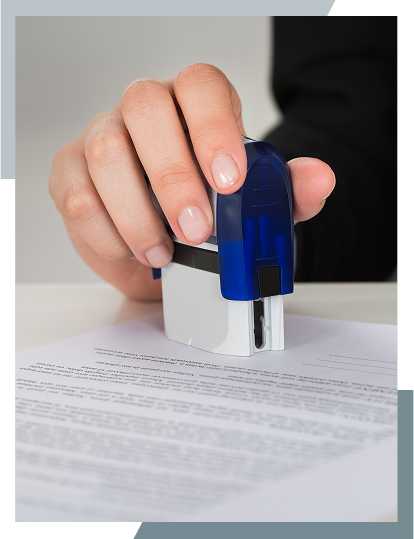
Examination under Ley N° 19.039 is the substantive review INAPI conducts on every design application, testing whether the design is genuinely new and possesses its own original character.
Purpose and Function of Examination
Unlike jurisdictions that register designs on formalities alone, INAPI's examiners search prior disclosures and compare overall appearance before any Chilean design is granted.
Protecting Your Application
Well-prepared representations and a considered description reduce the risk of an adverse examination finding, and make any objection that does arise easier to overcome.
A Hassle-Free Examination Journey with Brealant

Contact
Discuss your design and enforcement plans with Brealant before, or shortly after, filing.

Search
We review the design's novelty position against the prior art landscape.

Quote
Receive a service quote for managing the application through examination.

Pay
Proceed with secure payment for the selected services.

File
We ensure the representations and description are positioned to withstand substantive review.

Wait
INAPI's examiner searches for prior designs and assesses newness and original character.

Response
You receive the examination outcome — approval for publication, or a report requiring a response.

Clear, Simple Steps Through Substantive Examination
In Chile, every design application is substantively tested against prior disclosures — there's no separate 'formalities only' registration option. Understanding what the examiner is likely to search, and preparing representations accordingly, is the clearest way through this stage without delay.
Safeguarding Your Application in Chile — With Brealant by Your Side
Because a Chilean design can be refused outright at the substantive examination stage if it isn't found new and original, getting the application strategy right before filing — not just at the point of an objection — is essential. Brealant builds applications with this scrutiny in mind from the start.
Limitations
What Examination Preparation Cannot Guarantee
Careful preparation helps considerably, but it has limits
No Guaranteed Outcome
Even a well-prepared application can be refused if the examiner identifies genuinely close prior art.
Examiner's Own Search
INAPI's examiner conducts an independent search, which may surface references beyond what a private search identifies.
Response Deadlines Still Apply
If an objection is raised, a substantive, timely response is still required.
Doesn't Prevent Third-Party Opposition
Passing examination doesn't prevent a third party opposing after publication, within the statutory window.
New Matter Restrictions
Amendments made in response to an objection generally can't add matter beyond what was originally disclosed.
Brealant gives you a realistic assessment of the novelty position before and throughout examination.
What Careful Examination Preparation Protects
Preparing properly for substantive examination protects
Your Filing Date
A well-prepared application reduces the need for amendments that could complicate your original filing date.
Your Scope of Protection
Representations drafted with examination in mind help avoid unnecessary narrowing later.
Your Timeline
Fewer objections generally means a faster path to publication and grant.
Your Investment
Protecting the time and cost already spent developing and documenting the design.
Brealant's attorneys assess the novelty position carefully before and during examination.
Timeline for Design Examination in the Chile
Substantive examination typically follows these stages

Filing
The application is lodged with representations and a descriptive memorandum.

Formal Review
INAPI checks the application meets formal requirements before substantive examination begins.

Substantive Search & Assessment
The examiner searches prior disclosures and assesses novelty and original character.

Outcome
The examiner approves the application for publication, or issues observations requiring a response.
Substantive examination is typically the longest phase of the Chilean design process, commonly taking several months depending on INAPI's caseload and whether observations are raised.
Understanding Design Examination Costs Chile — Simplified with Brealant
Examination is a built-in part of every Chilean design application, so costs are largely covered by the standard filing process

Official Filing Fees
Substantive examination is conducted as part of the standard official filing and grant fees — there's no separate government fee to request it, as there can be in other jurisdictions.

Professional fees
Brealant's professional fee for managing the application through examination, including any response to observations, is quoted based on complexity.
Brealant gives you a realistic assessment of the novelty position before and throughout examination.
Continued Support Through and After Examination Chile — Supported by Brealant
Once your design clears substantive examination and is published, Brealant continues to track the matter through the opposition period to final grant, and supports enforcement immediately afterwards, since a granted Chilean design is enforceable from registration.
Frequently Asked Questions
Is substantive examination automatic for every Chilean design application?
Yes — unlike some jurisdictions where examination must be separately requested, INAPI substantively examines every design application for novelty and original character as a standard part of the process.
What does the examiner actually search?
The examiner searches the INAPI register and other publicly available design disclosures, comparing overall appearance against your application.
What happens if the examiner raises an objection?
You'll have an opportunity to respond or amend within a set deadline before INAPI decides whether to proceed toward publication or refuse the application.
Does passing examination mean my design can't be challenged later?
Not entirely — publication still opens a statutory window for third-party opposition, though a design that has cleared substantive examination is generally in a stronger position.
How long does design examination take in Chile?
Substantive examination is typically the longest stage of the process, commonly taking several months, depending on INAPI's workload and whether observations are issued.
Do I need a Chilean attorney to respond during substantive examination?
Yes, responses to INAPI's examination findings must be filed through an authorised local representative, which Brealant provides.
Is there a fee to respond to a design examination objection?
No separate INAPI fee applies to respond within the deadline — only Brealant's professional fee for preparing the arguments.
Can INAPI cite my own earlier design against a new application?
Yes, if you've disclosed a similar design of your own before the relevant date, the examiner can treat it as prior art, subject to limited grace-period exceptions.
What sources does INAPI check during substantive examination?
Examiners search the INAPI register and reasonably accessible public disclosures worldwide, including foreign design registers, product catalogues, and online sources.
What happens if I disagree with the examiner's novelty assessment?
You can file arguments and, where appropriate, amended representations within the response deadline, and ultimately appeal an adverse decision to the Tribunal de Propiedad Industrial (TDPI).
Blogs and Resources
Discover more insights and stay informed about the latest in intellectual property with Brealant's blog. From expert advice on trademark registration and patent protection to strategies for safeguarding your brand in a competitive market, our resources are here to empower your business. .
Explore our blog to learn how effective IP management can strengthen your brand's position and protect your innovations
 Read More: Managing EUIPO Trademark Disputes: Effective Strategies for Brand Protection
Managing EUIPO Trademark Disputes: Effective Strategies for Brand Protection
 Read More: Understanding the Grounds for EUIPO Trademark Cancellations and Invalidations
Understanding the Grounds for EUIPO Trademark Cancellations and Invalidations
 Read More: Comparing EUIPO and National Trademark Dispute Resolution Systems
Comparing EUIPO and National Trademark Dispute Resolution Systems

