

Copyright Licensing in Philippines
Monetise Your Work with Confidence
Licensing lets you earn revenue from your copyrighted work while retaining ownership. Our team at Brealant drafts and reviews licence agreements, and manages recordal with IPOPHL, so your commercial terms are clear and your rights stay protected.
15+ Years
Trademark & Patent Expertise
25,000
Projects Completed Worldwide
15,000
Satisfied Customers Globally

Thank You
Essential Guide to Copyright Licensing in Philippines
Protecting Your Revenue with Brealant's Expertise
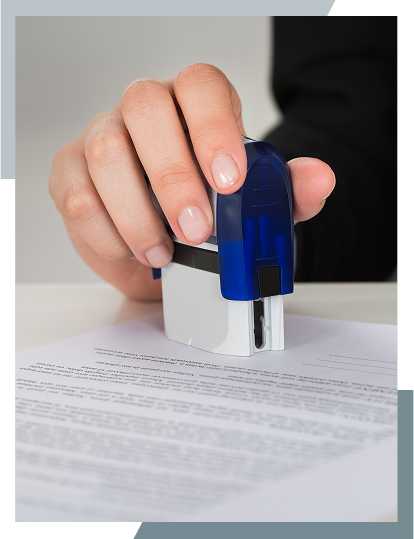


Legal Definition of Copyright Licensing
A licence, under the IP Code of the Philippines (RA 8293), is permission granted by the rights holder allowing another party to use a copyrighted work in specific, agreed ways, without transferring ownership.
Purpose and Function of Licensing
Licensing lets rights holders generate revenue and expand the reach of their work — through publishing, merchandising, adaptation, or distribution — while retaining underlying ownership.
Protecting Your Rights
A well-drafted licence defines exactly what's permitted, for how long, and on what terms, protecting the value of your work and preventing unauthorised uses beyond what was agreed.
A Hassle-Free Licensing Journey with Brealant

Contact
Discuss your work and licensing goals with Brealant.

Search
We review the work's ownership status and any existing licensing arrangements.

Quote
Receive a service quote for drafting, reviewing, or negotiating the licence.

Pay
Proceed with secure payment for the selected services.

File
Brealant drafts or reviews the licence agreement and files any recordal with IPOPHL.

Wait
The licence is finalised and, where recorded, IPOPHL processes the recordal.

Response
You receive the finalised agreement, and confirmation once recordal is complete.


Clear, Simple Steps to License Your Work
In the Philippines, a copyright licence should clearly define the scope of use, territory, duration, exclusivity, and payment terms. Getting these terms right from the outset is the clearest way to avoid disputes over what was actually agreed.
Safeguarding Your Work in the Philippines in the Philippines — With Brealant by Your Side
A vague or incomplete licence can lead to disputes over scope, payment, or unauthorised sub-licensing. Brealant's drafting and review process protects your commercial interests while keeping terms workable for your licensing partner.
Limitations
What a Licence Cannot Do
Licensing is a powerful tool, but it has boundaries
Doesn't Transfer Ownership
A licence grants permission to use the work; it doesn't transfer copyright ownership the way an assignment does.
Moral Rights Generally Remain
Certain moral rights, such as attribution, generally can't be licensed away and remain with the author.
Scope Limits Enforceability
A licensee acting outside the agreed scope may be infringing, but only within the terms actually granted.
Doesn't Guarantee Compliance
Recordal and clear drafting reduce disputes, but don't guarantee a licensee will comply with agreed terms.
Requires Ongoing Management
Licensing revenue and compliance often require ongoing monitoring, not a one-time agreement.
Brealant helps you understand these boundaries clearly before you licence your work.
What a Well-Drafted Licence Protects
A carefully prepared licence protects
Your Ownership
Licensing lets you monetise the work while retaining underlying copyright ownership.
Your Commercial Terms
Clearly defined scope, territory, duration, and payment terms that reflect the value of your work.
Your Moral Rights
Protection of your right to be identified as author and to object to derogatory treatment of the work, which generally remain with you regardless of licensing.
Your Future Options
Licence terms that don't foreclose other commercial opportunities beyond what you intended to grant.
Brealant makes sure your licence protects both the commercial value and the integrity of your work.
Timeline for Copyright Licensing in the Philippines
Licensing typically follows these stages

Instruction
You confirm the work and your licensing goals with Brealant.

Drafting or Review
We prepare or review the licence agreement's terms.

Negotiation
Terms are finalised between the parties, with Brealant's support.

Execution & Recordal
The licence is signed and, where appropriate, recorded with IPOPHL.
Licence drafting and negotiation timelines vary, but a straightforward agreement can often be finalised within 1 to 3 weeks.
Understanding Copyright Licensing Costs in Philippines — Simplified with Brealant
Costs depend on the complexity of the agreement

Official Filing Fees
Charged as a fixed or scoped professional fee, depending on the complexity of the licence.

Professional fees
A modest official IPOPHL fee applies if the licence is recorded, alongside Brealant's recordal service fee.
Brealant quotes this upfront based on the scope of the licensing work required.
Continued Support After Your Licence in Philippines — Supported by Brealant
Once your licence is in place, Brealant can support recordal, monitor for compliance issues, and assist with renewals, amendments, or enforcement if the licensee exceeds the agreed terms.
Frequently Asked Questions
What's the difference between licensing and assigning copyright?
Licensing grants permission to use the work while you retain ownership; assignment transfers ownership itself to another party.
Can I grant an exclusive licence in the Philippines?
Yes, licences can be exclusive or non-exclusive, and the terms should clearly state which applies.
Do moral rights transfer with a licence?
No, moral rights such as attribution generally remain with the author regardless of any licence granted over the economic rights.
Should I record my copyright licence with IPOPHL?
Recording isn't mandatory, but it strengthens your position and gives third parties a public record to rely on.
Can Brealant help negotiate licensing terms, not just draft the agreement?
Yes, we support clients through negotiation as well as drafting and recordal, working to secure commercially sound terms.
What key terms should a copyright licence agreement specify?
A well-drafted licence should clearly state the scope of use, duration, territory, whether it's exclusive, royalty or fee arrangements, and termination conditions — Brealant drafts agreements covering each of these elements.
Can a licence be limited to a specific territory or type of use?
Yes, licences are commonly limited to a defined territory, medium, or purpose — for example, print use only, or use within the Philippines — leaving other rights available for separate licensing.
Can a licensee grant sublicences to others?
Only if the original licence agreement expressly permits it — without that authorization, a licensee generally cannot grant further rights to third parties.
How is a copyright licence terminated?
Termination typically follows the terms set out in the agreement itself, such as expiry, breach, or mutual agreement; Brealant can help draft clear termination and remedy provisions upfront to avoid disputes later.
What can I do if a licensee breaches the terms of the licence?
Depending on the agreement, remedies can include termination of the licence, damages, or an injunction to stop unauthorized use beyond what was licensed.
Blogs and Resources
Discover more insights and stay informed about the latest in intellectual property with Brealant's blog. From expert advice on trademark registration and patent protection to strategies for safeguarding your brand in a competitive market, our resources are here to empower your business. .
Explore our blog to learn how effective IP management can strengthen your brand's position and protect your innovations
 Read More: Managing EUIPO Trademark Disputes: Effective Strategies for Brand Protection
Managing EUIPO Trademark Disputes: Effective Strategies for Brand Protection
 Read More: Understanding the Grounds for EUIPO Trademark Cancellations and Invalidations
Understanding the Grounds for EUIPO Trademark Cancellations and Invalidations
 Read More: Comparing EUIPO and National Trademark Dispute Resolution Systems
Comparing EUIPO and National Trademark Dispute Resolution Systems

