

Copyright Recordal in Philippines
Give Your Dealings a Public Record
Whether you've licensed a work, changed its ownership, or want to record other legal dealings affecting it, IPOPHL's copyright recordal system creates a public record other parties can rely on. Our team at Brealant prepares and files these recordals on your behalf.
15+ Years
Trademark & Patent Expertise
25,000
Projects Completed Worldwide
15,000
Satisfied Customers Globally

Thank You
Essential Guide to Copyright Recordal in Philippines
Protecting Your Transactions with Brealant's Expertise
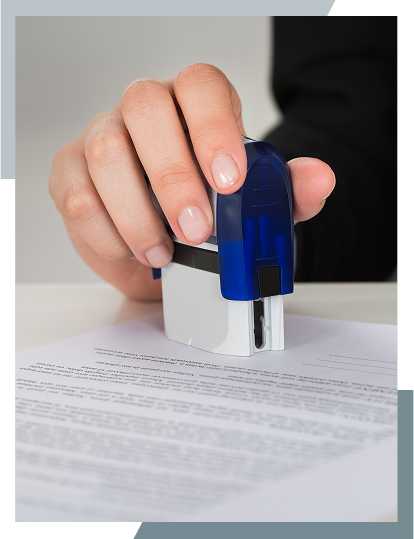


Legal Definition of Copyright Recordal
Recordal, under the IP Code of the Philippines (RA 8293), is the process of registering a legal dealing — such as an assignment, licence, or other transaction — affecting a copyrighted work with IPOPHL.
Purpose and Function of Recordal
Recordal creates a public record of the dealing, which can be important evidence in a dispute and supports third parties' ability to rely on the recorded information.
Protecting Your Transaction
Whether you're the rights holder, licensee, or assignee, a properly recorded dealing reduces the risk of later disputes over who holds which rights.
A Hassle-Free Recordal Journey with Brealant

Contact
Tell Brealant about the copyright dealing you need to record — an assignment, licence, or other transaction.

Search
We review the underlying work and confirm the documentation available to support recordal.

Quote
Receive a fixed-fee quote based on the nature and number of dealings involved.

Pay
Proceed with secure payment for the recordal service.

File
Brealant prepares and files the recordal request with IPOPHL.

Wait
IPOPHL processes the recordal request.

Response
You receive confirmation once the dealing is recorded.

Clear, Simple Steps to Record Your Copyright Dealing
In the Philippines, recordal is only as strong as the documentation behind it. Clear, signed evidence of the underlying transaction, submitted with a complete recordal request, is the clearest way to make sure IPOPHL's record accurately reflects the dealing.
Safeguarding Your Position in the Philippines in the Philippines — With Brealant by Your Side
An unrecorded dealing can leave room for dispute about who holds which rights, particularly where a work changes hands more than once. Brealant keeps your recordal accurate and complete, so your position is clearly documented.
Limitations
What Copyright Recordal Does Not Do
Recordal is important, but it has limits
Doesn't Validate a Bad Deal
Recordal reflects the transaction; it doesn't cure defects in the underlying agreement.
Not a Condition of Validity
A licence or assignment can be valid between the parties even if unrecorded — but recordal offers stronger protection against third parties.
Doesn't Extend Copyright Term
Recordal is administrative and has no bearing on the underlying duration of copyright protection.
Requires Documentary Evidence
IPOPHL requires supporting documentation, so informal or undocumented dealings can't be recorded as they stand.
Doesn't Resolve Disputes
If the underlying rights or transaction are disputed, recordal alone won't resolve that dispute.
Brealant flags any of these issues during the recordal process so nothing is missed.
What Copyright Recordal Protects
A properly recorded dealing protects
Your Documented Rights
A public record of your interest in the work, whether as owner, licensee, or assignee.
Third-Party Reliance
The ability for others dealing with the work to rely on accurate, up-to-date recordal information.
Deal Certainty
The commercial transaction — licence, assignment, or other dealing — that the recordal reflects.
Future Transactions
A clear record that supports further licensing, assignment, or financing involving the work.
Brealant makes sure every recordal is properly documented so these protections are secured.
Timeline for Copyright Recordal in the Philippines
The recordal process typically follows these stages

Instruction
You confirm the work, parties, and nature of the dealing with Brealant.

Documentation Review
We review the supporting documentation and prepare the recordal request.

Filing
The recordal request is lodged with IPOPHL.

Confirmation
IPOPHL processes the request and confirms the recordal.
Recordal is typically processed within a few weeks of a complete, well-documented request.
Understanding Copyright Recordal Costs in Philippines — Simplified with Brealant
Recordal costs are modest relative to the transactions they support

Official Filing Fees
IPOPHL charges a modest official fee to process a copyright recordal request.

Professional fees
Brealant's professional fee covers reviewing documentation and managing the recordal, quoted as a fixed amount.
These costs are a small part of protecting the value and clarity of your copyright dealings.
Continued Support After Your Recordal in Philippines — Supported by Brealant
Once a dealing is recorded, Brealant can support any further transactions — additional licences, assignments, or enforcement — building on an accurate, up-to-date record of your rights.
Frequently Asked Questions
Is copyright recordal mandatory in the Philippines?
No, a licence or assignment can be valid between the parties without recordal, but recording it provides stronger protection and clarity for third parties.
What kinds of dealings can be recorded?
Assignments, exclusive and non-exclusive licences, and other legal transactions affecting ownership or use of a copyrighted work.
What documents are needed for recordal?
Typically a signed agreement evidencing the dealing, details of the parties, and information identifying the work.
Does recordal apply to works that were never deposited with IPOPHL?
Yes, since copyright exists automatically, dealings involving undeposited works can still be recorded provided the underlying transaction is properly documented.
How long does copyright recordal take in the Philippines?
Typically a few weeks from submission of a complete, well-documented request.
Is there a government fee to record a copyright dealing?
Yes, IPOPHL and the National Library charge official fees for recordal, which vary depending on the type of transaction being recorded.
Does recordal give my ownership claim more weight in a dispute?
Yes, a recorded assignment or licence provides documented, dated evidence of the transaction, which can be persuasive if ownership or licensing terms are later disputed.
Can a licensee request recordal, or only the copyright owner?
Either party to the transaction can typically request recordal, though it's most often initiated by whichever party wants documented proof of the arrangement on file.
What's the difference between copyright registration and copyright recordal?
Registration and deposit relate to establishing a dated record of the work itself, while recordal specifically documents a transaction — such as an assignment or licence — affecting who holds rights in that work.
Can a recorded assignment or licence later be cancelled or corrected?
Yes, a recordal can be amended or cancelled by filing a subsequent request, typically supported by documentation showing the change, such as a termination agreement.
Blogs and Resources
Discover more insights and stay informed about the latest in intellectual property with Brealant's blog. From expert advice on trademark registration and patent protection to strategies for safeguarding your brand in a competitive market, our resources are here to empower your business. .
Explore our blog to learn how effective IP management can strengthen your brand's position and protect your innovations
 Read More: Managing EUIPO Trademark Disputes: Effective Strategies for Brand Protection
Managing EUIPO Trademark Disputes: Effective Strategies for Brand Protection
 Read More: Understanding the Grounds for EUIPO Trademark Cancellations and Invalidations
Understanding the Grounds for EUIPO Trademark Cancellations and Invalidations
 Read More: Comparing EUIPO and National Trademark Dispute Resolution Systems
Comparing EUIPO and National Trademark Dispute Resolution Systems

