

Trademark Cancellation in South Korea
Remove Marks That Block Your Brand
If an unused or invalidly registered trademark is standing in the way of your own brand, our team at Brealant can pursue a non-use cancellation trial before Korea's IP Trial and Appeal Board — or defend your registration if someone challenges yours.
15+ Years
Trademark & Patent Expertise
25,000
Projects Completed Worldwide
15,000
Satisfied Customers Globally

Thank You
Essential Guide to Trademarks in South Korea
Protecting Your Path to Registration with Brealant's Expertise


Legal Definition of Trademark Cancellation
Cancellation, under the Trademark Act of Korea, is a formal trial procedure conducted before the IP Trial and Appeal Board (특허심판원), which can remove a registered mark from the register.
Purpose and Function of Cancellation
It's most commonly used where a mark hasn't been used in South Korea for a continuous period of 3 years, clearing the way for new applications in that space.
Protecting Your Interests
Whether removing a blocking mark or defending your own registration, evidence of use — or its absence — is central to the outcome, since Korea's process is decided through a quasi-judicial trial rather than a simple administrative filing.
A Hassle-Free Registration Journey with Brealant

Contact
Reach out to Brealant about the blocking registration, or the challenge to your own mark.

Search
We review the target registration's use history and its eligibility for a non-use cancellation trial.

Quote
Receive a staged service quote covering each phase of the trial.

Pay
Proceed with secure payment for the stage you're instructing us on.

File
Brealant lodges the cancellation trial request, or the response, with the IP Trial and Appeal Board.

Wait
The Board notifies the parties and manages the evidence exchange, if contested.

Response
You receive the Board's decision on whether the mark is cancelled.
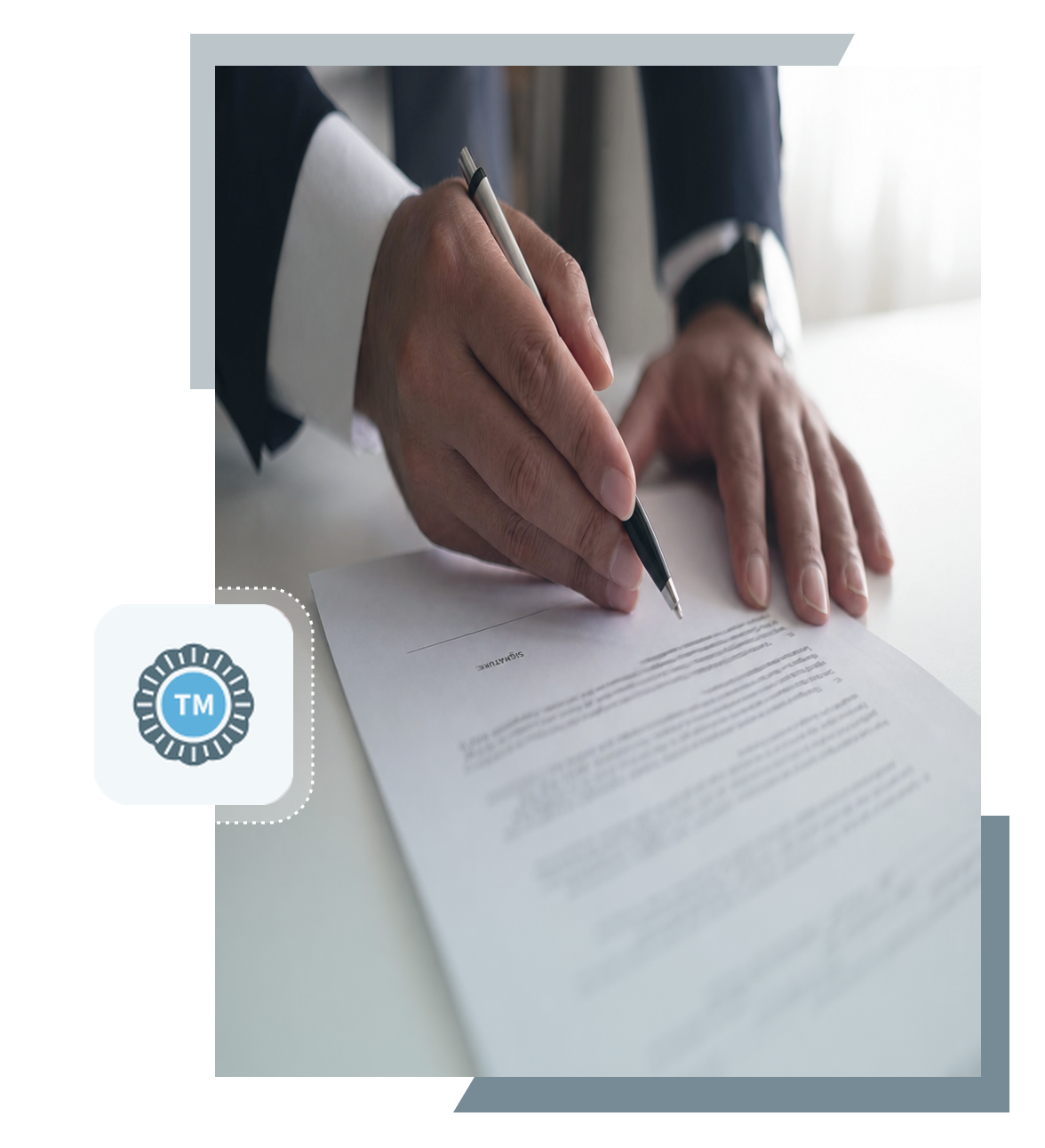
Clear, Simple Steps to Remove a Blocking Mark
In South Korea, a non-use cancellation begins with an interested party filing a trial request with the IP Trial and Appeal Board, which the registered owner can then contest. If contested, both sides file evidence of use, or its absence, before the Board decides. Understanding the target mark's use history is the clearest way to assess your prospects.
Safeguarding Your Brand's Path Forward in South Korea — With Brealant by Your Side
A blocking registration that's genuinely fallen out of use can prevent you from registering, or fully protecting, your own brand in Korea's first-to-file system. Brealant assesses the target mark's use history carefully before recommending action, so you understand the real prospects of success.
Limitations
What Cancellation Cannot Achieve
Cancellation is a powerful tool, but it has real limits
Interested Party Requirement
A non-use cancellation trial generally must be requested by an interested party, not simply any member of the public.
Burden of Proof Shifts
Once a trial is requested, the registered owner — not the requesting party — carries the burden of proving genuine use.
Trial-Based Process
Because cancellation runs as a formal trial before the IP Trial and Appeal Board, it typically moves slower than a simple administrative filing, and its decision can be appealed to the Patent Court.
Time and Cost
A contested cancellation trial can commonly take around 8 to 14 months or longer, particularly if appealed.
Partial Removal Only
The mark may be cancelled only for some goods or services, not necessarily all of them.
Brealant gives you a realistic view of the likely timeline, cost, and prospects before you proceed.
What a Cancellation Protects
A successful cancellation trial protects
Your Path to Registration
Clearing the way for your own application in the same or overlapping classes.
Market Fairness
Removing marks that are no longer genuinely used but still block legitimate new entrants.
Register Accuracy
Keeping the KIPRIS register reflective of marks that are actually in commercial use.
Your Investment
Protecting your brand strategy from being derailed by a stale, unused registration.
Brealant assesses whether cancellation is the right route before you commit resources to a trial.
Timeline for Trademark Cancellation in South Korea


Cancellation timing depends on whether the trial is contested and whether it's appealed

Filing the Trial Request
The non-use cancellation trial request is lodged with the IP Trial and Appeal Board.

Notice to the Owner
The Board notifies the registered owner, who can contest the cancellation.

Evidence Exchange
If contested, both sides file evidence of use, or its absence.

Decision
The Board decides whether the mark is cancelled, in full or in part, with a further right of appeal to the Patent Court.
An uncontested non-use cancellation can resolve in a few months; a contested trial more commonly takes around 8 to 14 months, longer still if appealed to the Patent Court.
Understanding Cancellation Costs in South Korea — Simplified with Brealant
Costs scale with whether the trial is contested

Official Filing Fees
The IP Trial and Appeal Board charges an official fee to file a non-use cancellation trial request.

Professional fees
Professional fees scale with whether the trial is contested and how much evidence is required.
Brealant will assess your matter and quote before filing, so you know what to expect.

Continued Support After Cancellation in South Korea — Supported by Brealant
Once a blocking mark is cancelled, Brealant can move straight into clearing and filing your own application, so the opportunity created by the cancellation isn't lost to a competing filer in this first-to-file market.

Frequently Asked Questions
How long must a mark be unused before it can be cancelled in South Korea?
Generally, a continuous period of 3 years' non-use in South Korea is the basis for a non-use cancellation trial.
Who has to prove use — me or the registered owner?
Once a non-use cancellation trial is requested and contested, the registered owner carries the burden of proving genuine use during the relevant period.
Can anyone request a cancellation trial, or only certain parties?
A non-use cancellation trial generally must be requested by an interested party — this differs from opposition, which is open to any person.
What happens if the cancellation succeeds?
The mark is cancelled from the register for the relevant goods/services, clearing the way for new applications covering that same ground.
Can the registered owner defend a cancellation trial?
Yes, the owner can contest the trial and must then prove genuine use of the mark during the relevant period, with a right of appeal to the Patent Court if the decision goes against them.
What evidence should I gather before requesting a cancellation trial?
It helps to document your own interest in the mark, such as a conflicting application or business plan, since a non-use cancellation trial must generally be brought by an interested party.
How long does a non-use cancellation trial typically take?
Timing depends on the IP Trial and Appeal Board's caseload and whether the owner contests the trial, but these proceedings commonly take several months to reach a decision.
Is a non-use cancellation different from an invalidation trial?
Yes — a non-use cancellation is based on the owner's failure to use the mark for three years, while an invalidation trial challenges whether the mark should have been registered in the first place.
Can a cancellation trial target only some of the goods or services covered by a registration?
Yes, a non-use cancellation trial can be limited to specific goods or services within a registration rather than challenging the entire mark.
How much does it cost to file a non-use cancellation trial in South Korea?
Costs depend on the complexity of the case and whether the registered owner contests it, and Brealant provides a clear estimate before the trial is filed.
Blogs and Resources
Discover more insights and stay informed about the latest in intellectual property with Brealant's blog. From expert advice on trademark registration and patent protection to strategies for safeguarding your brand in a competitive market, our resources are here to empower your business. .
Explore our blog to learn how effective IP management can strengthen your brand's position and protect your innovations
 Read More: Managing EUIPO Trademark Disputes: Effective Strategies for Brand Protection
Managing EUIPO Trademark Disputes: Effective Strategies for Brand Protection
 Read More: Understanding the Grounds for EUIPO Trademark Cancellations and Invalidations
Understanding the Grounds for EUIPO Trademark Cancellations and Invalidations
 Read More: Comparing EUIPO and National Trademark Dispute Resolution Systems
Comparing EUIPO and National Trademark Dispute Resolution Systems

